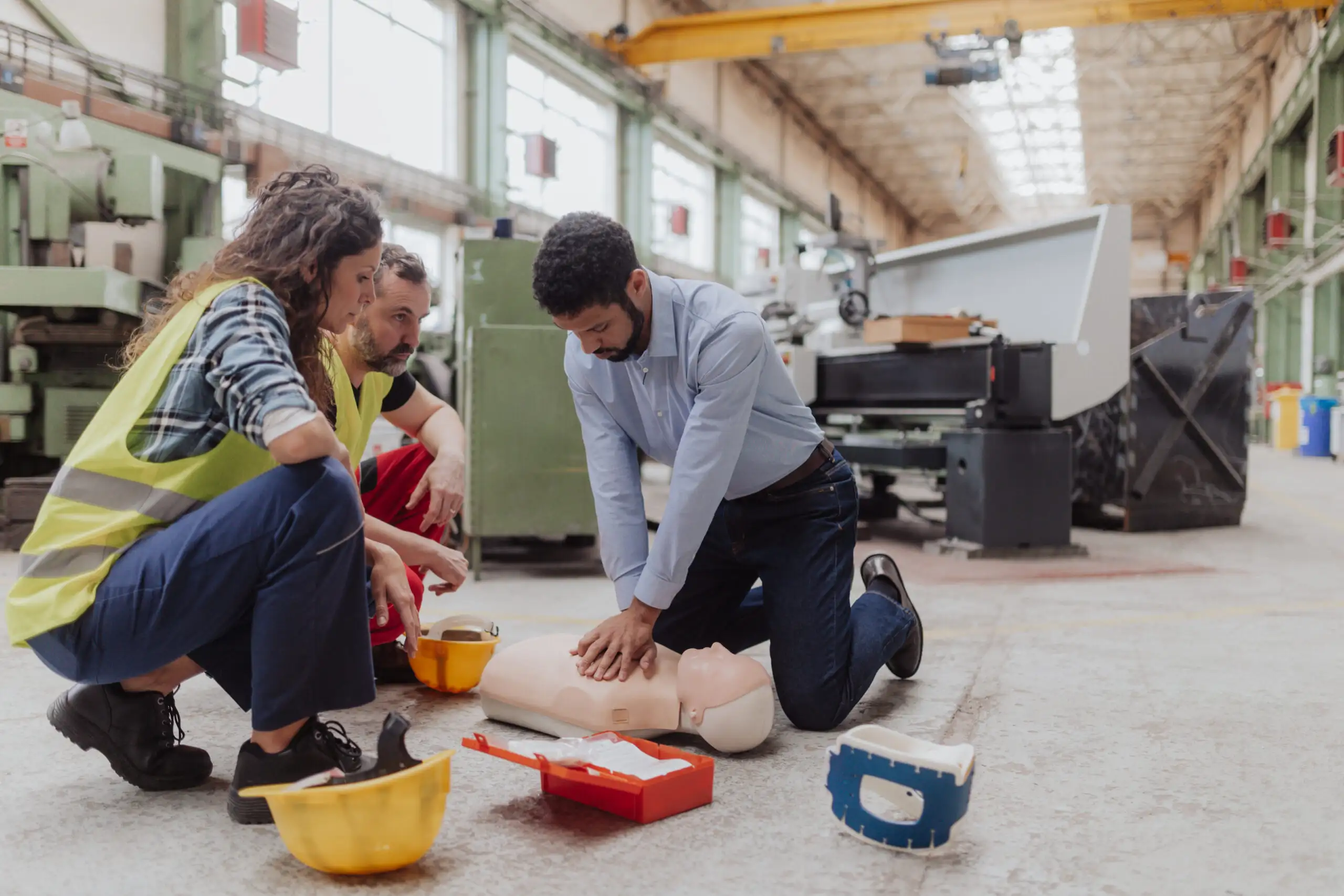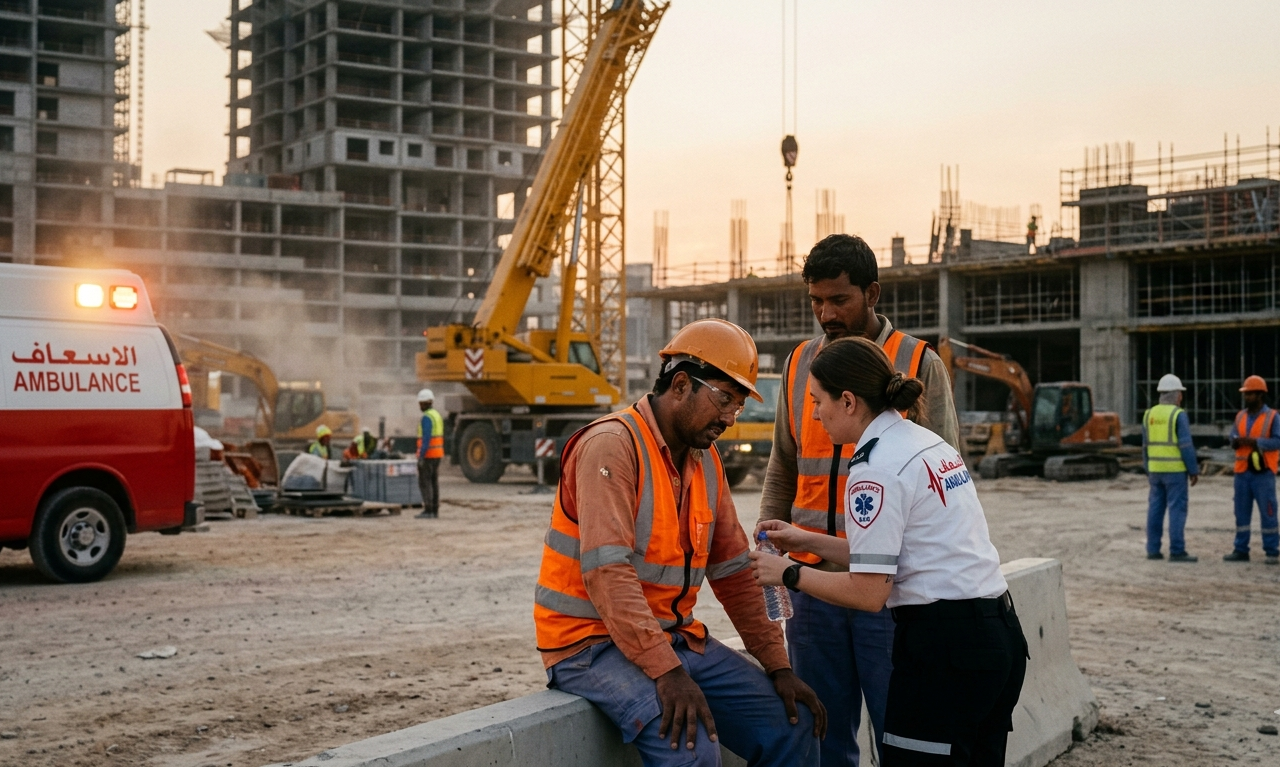
Construction sites are really dangerous places with a lot of things going on. Workers are always doing something; they are operating equipment, working at heights or using sharp tools. They also have to deal with the heat. Even when people follow safety rules, accidents can still happen. People can get hurt.
In the United Arab Emirates, construction is a deal. There are a lot of projects and a lot of people working on them. So it is really important to be prepared for emergencies on construction sites. If people act fast, they can save lives. Prevent serious injuries.
At HSS, we believe being prepared and having the training is the key to handling emergencies. So let us see how construction companies in the United Arab Emirates can handle emergencies.
Why Construction Sites Are So Risky
Construction work is hard and can be dangerous. Some common risks include:
- Falls from heights
- Heavy objects falling
- Accidents
- Machinery injuries
- Cuts and fractures
- Heat-related illnesses
Because of these risks, construction sites need to be ready to respond immediately if something goes wrong.
Even small delays in getting treatment can make things worse. That is why having a plan for emergencies is not something you can skip. It is necessary.
Common Medical Emergencies on Construction Sites
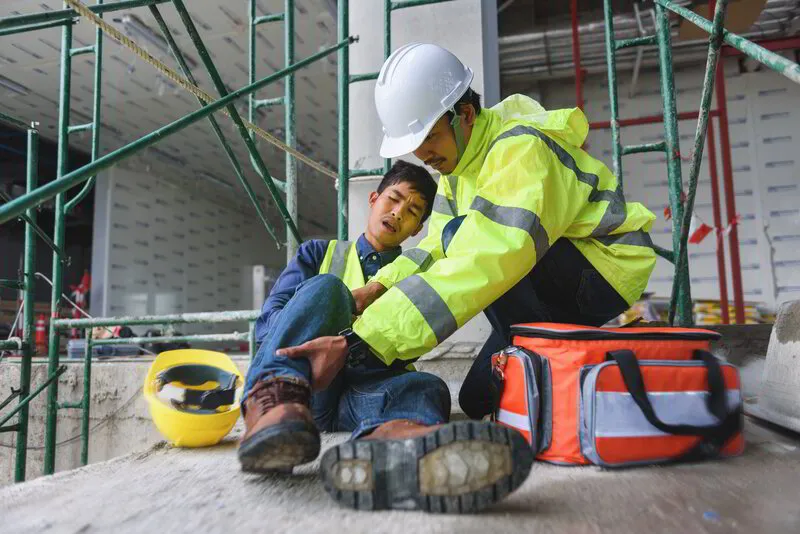
It helps to know what kinds of emergencies can happen so teams can be better prepared.
1. Falls and Fractures
Falls are a cause of injury in construction. If someone falls from scaffolding or a ladder, they can break bones, hurt their head or damage their spine.
2. Heat Exhaustion and Heat Stroke
It gets really hot in the United Arab Emirates in the summer. If workers are out in the heat for too long, they might:
- Sweat a lot
- Feel dizzy
- Feel weak
- Get confused
- Faint
Heat stroke is very serious. I need medical help right away.
3. Electrical Injuries
If someone touches a wire or uses faulty equipment, they can get burned, shocked or even have a heart attack.
4. Cuts and Severe Bleeding
Sharp tools and machinery can cause cuts. If someone is bleeding badly, they need help to stop the bleeding.
5. Cardiac Emergencies
Some workers might have heart problems that they do not know about. If they get stressed, it can trigger a heart attack or cardiac arrest.
Knowing about these emergencies helps construction managers plan safety audit measures.
The Importance of Acting Fast
In emergencies, the first few minutes are really important. If you wait for an ambulance without doing anything to help, it can make things worse.
If you act fast, you can:
- Stop the bleeding
- Help someone with a bone
- Prevent shock
- Do CPR if needed
- Reduce pain. Prevent further injury
If you act fast and do the right thing, it can help people survive and recover faster.
1.First Aid Training for Workers and Supervisors
The important thing in managing medical emergencies is ensuring people have the right training.
Supervisors and some workers should learn about:
- First aid
- CPR
- How to use an Automated External Defibrillator
- How to handle fractures and bleeding
- How to deal with heat-related illnesses
When workers know what to do, they can act confidently without hesitation.
At HSS, we provide first aid training, which is designed for high-risk places, including construction sites.
2. Make First Aid Kits Easily Available
First aid kits must be adequately stocked on every construction site. These kits ought to contain:
- Dressings and bandages
- Antiseptic remedies
- Gloves
- Supplies for burn therapy
- Cutlery
- Simple medical equipment
Kits should be kept in convenient places and routinely inspected to make sure no materials are missing or outdated.
3. Heat Exhaustion and Heat Stroke
The summer season brings extremely high temperatures to the United Arab Emirates. Workers who endure extended heat exposure face the following health problems:
- Workers experience excessive sweating
- Workers face dizziness
- Workers experience weakness
- Workers experience confusion
- Workers experience fainting
Heat stroke represents a medical emergency that requires instantaneous treatment from doctors.
4. Have a Clear Emergency Plan
Every construction site in the UAE should have an emergency plan. This emergency plan should include emergency contact numbers and the nearest hospital details. It should also have ambulance access routes and roles and responsibilities during emergencies. We need to have evacuation procedures in place.
All workers should know the emergency plan. Facilities can have safety meetings to remind everyone of their responsibilities during emergencies. When an emergency happens, there should be no confusion about what to do.
5. Heat Safety Measures in the UAE
Managing heat-related emergencies requires preventive steps such as:
- Providing shaded rest areas
- Ensuring workers drink enough water
- Scheduling heavy work during cooler hours
- Monitoring workers for signs of heat stress
If a worker shows signs of heat exhaustion:
- Move them to a cool place
- Loosen tight clothing
- Provide water if they are conscious
- Call medical help if symptoms are severe
Quick cooling can prevent heat stroke, which can be fatal.
6. Clear Communication During Emergencies
In an emergency, communication is very important. Panic can make the situation worse. Supervisors should stay calm. Give clear instructions. They should assign someone to call emergency services and keep bystanders away.
They should provide aid until help arrives. A calm leader helps the team stay focused. This is very important during emergencies.
7. Regular Safety Drills
Practising emergency response makes a difference. Safety drills help workers understand emergency procedures. They know where the equipment is located and learn how to react
Drills reduce fear. Improve coordination. This is very important for construction sites in the UAE.
8. Compliance with UAE Safety Regulations
Construction companies in the UAE must follow safety regulations. Authorities require safety training and personal protective equipment. They also require risk assessments and emergency preparedness.
Following regulations protects both workers and companies from issues and fines. Safety is not a responsibility. It is a legal requirement.
Benefits of Proper Emergency Management
When construction sites manage emergencies properly, the benefits include:
- fewer serious injuries.
- Workers can recover faster.
- Medical costs are lower.
- Worker confidence has increased.
- The company’s reputation becomes stronger.
Workers feel safer when they know their employer cares about their well-being.
How HSS Supports Construction Safety
At HSS, we understand the risks of construction environments in the UAE. We offer certified aid and CPR training. We also offer AED training and safety awareness programs.
We have customised emergency response workshops. Our training is simple, practical and easy to understand. We focus on real-life situations so workers can respond effectively during emergencies.
We help companies build a safety culture that protects both workers and business operations.
Conclusion:
Construction sites in the UAE are moving to high-risk environments. Medical emergencies can happen without warning. Managing these emergencies requires preparation, training and clear planning.
By investing in aid training, maintaining emergency kits, creating clear response plans and conducting safety drills, construction companies can protect their workforce and reduce serious risks.
The goal is simple: act correctly and save lives. At HSS, we are committed to helping construction companies build work environments.
When safety comes first, everyone benefits. A prepared team today means fewer emergencies tomorrow. And a stronger, safer construction industry across the UAE. Construction sites in the UAE need safety measures.
At HSS, we care about the workers’ safety. We help construction companies in the UAE to build safer work environments.
Read more: https://hss-me.com/emergency-and-fire-preparedness/