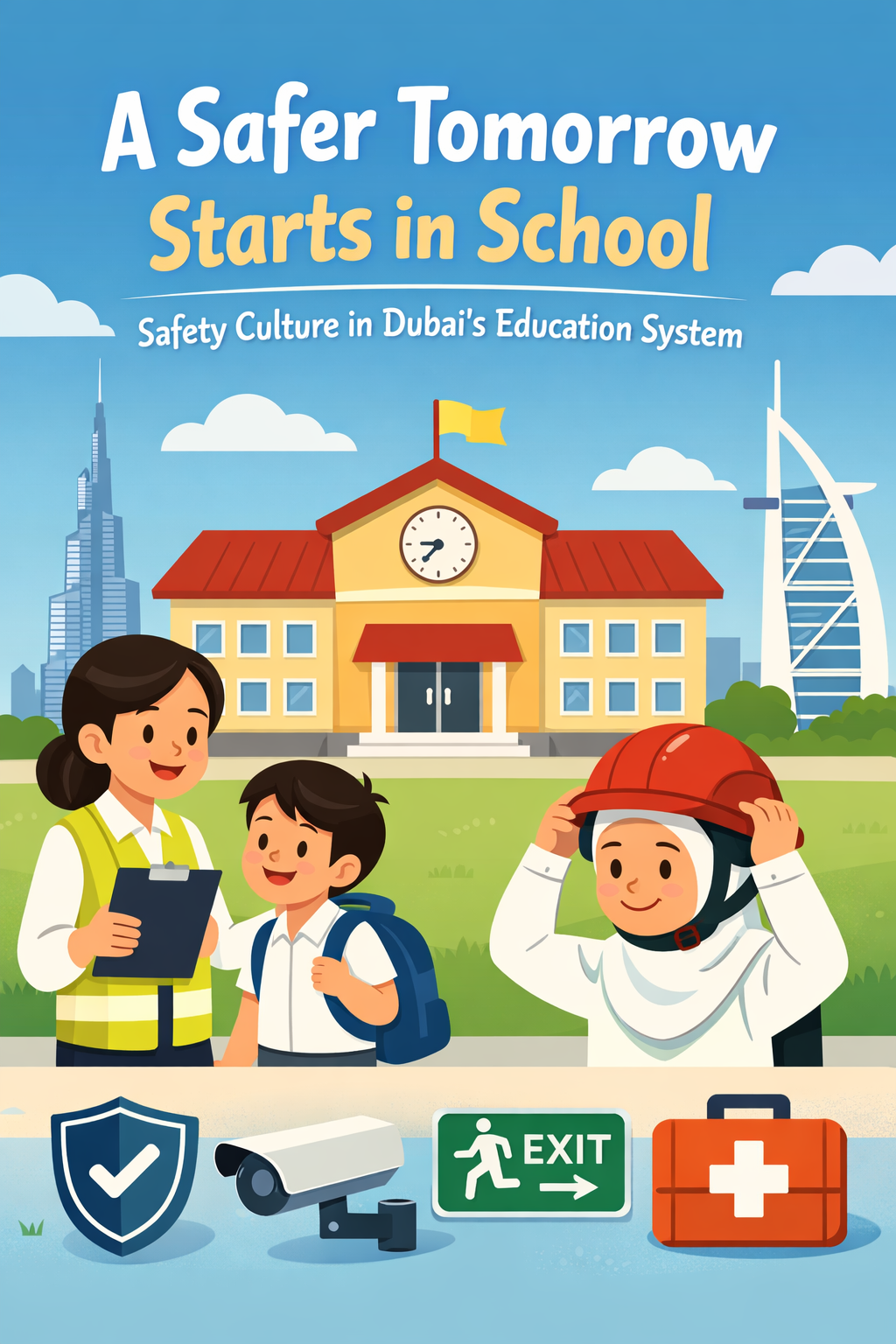
Millions of students go to school in Dubai every day. Schools are children’s first and best place for learning, growing and creating a friendship bond for their lifetime. But significantly, schools must be safe places where children feel safe and protected from harm. A strong safety culture in schools is when students, teachers, and the entire school staff are well prepared, aware and confident in preventing and handling emergencies.
At HSS, we believe that creating and building a strong safety culture in Dubai’s education system is not just important – it is a need. We are responsible for creating a safer tomorrow for our children that starts with what we do today.
What Is a Safety Culture?
A safety culture means a shared way of thinking and acting that keeps safety as a top priority. It is not just about having rules written on paper. It is about making safety a habit — something everyone in school practices every day.
In a strong safety culture:
- Students feel safe and cared for
- Teachers know how to prevent accidents
- Staff can respond correctly during emergencies
- Safety is integrated into school routines
When safety becomes a natural part of school life, risks are reduced, and children can learn with confidence.
Why Safety in Schools Matters
Children spend many hours in school every day. They learn not just academic subjects but also life skills. During this time, a lot can happen — both good and unexpected. Minor accidents like slips and cuts can occur, as well as more serious emergencies such as choking, allergic reactions, or injuries from sports activities.
A safety culture helps schools:
- Prevent accidents before they happen
- Detect risks early
- Respond quickly and correctly during emergencies
- Build trust with parents and the community
When safety is taken seriously, students can focus on learning without fear.
Key Elements of a Strong Safety Culture
Building a strong safety culture in schools involves several key parts:
1. Training for Teachers and Staff
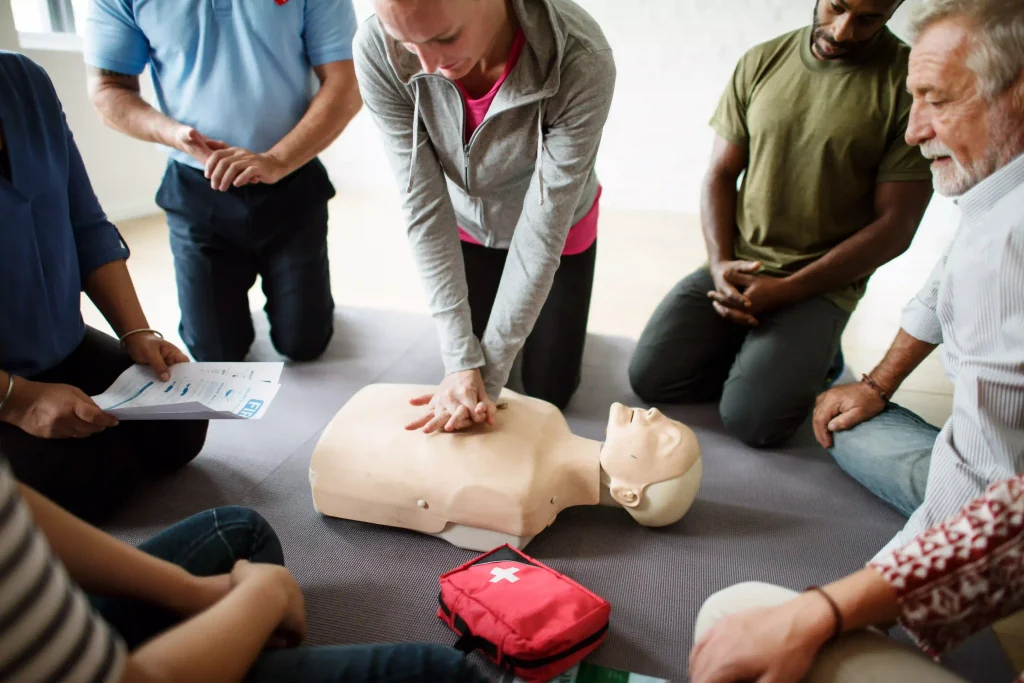
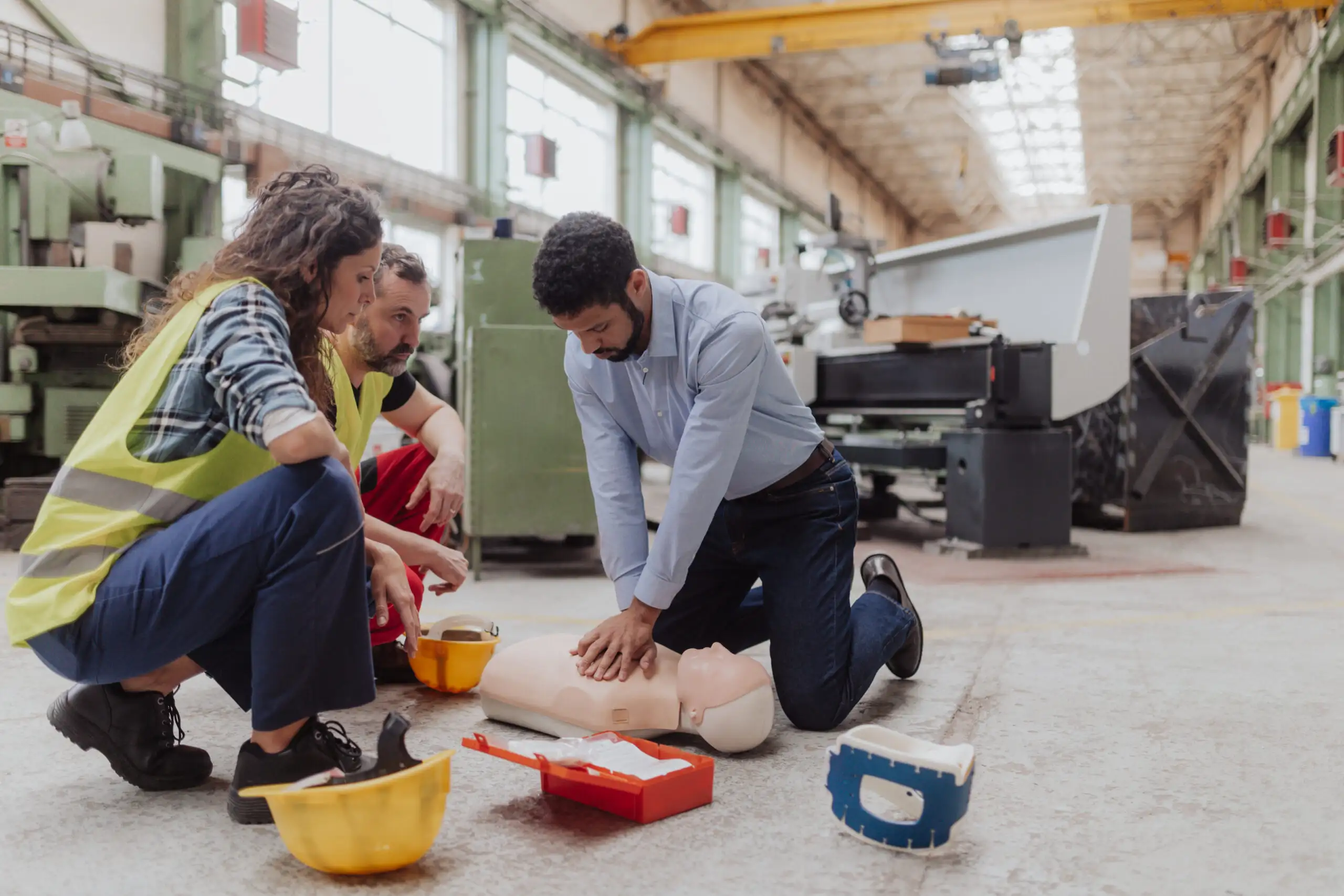
Teachers and school staff are the first responders in an emergency. Without training, they may freeze or make mistakes when something happens.
First aid training helps teachers and staff:
- Recognize emergencies quickly
- Act correctly under pressure
- Give initial care before medical help arrives
- Stay calm and confident
Training is not just theory; it must include real practice, so staff know exactly what to do when needed.
2. Teaching Safety to Students
Students are a part of the school community. Teaching them about safety helps them look out for themselves and others. Simple lessons on:
- How to walk safely inside school
- How to respond in emergencies
- Why running in corridors is risky
- How to call for help
These small lessons make students more aware and responsible.
3. Safe School Environment
A school must remove hazards so accidents do not happen. This includes:
- Clear and well-maintained walkways
- Secure playground equipment
- Properly labelled emergency exits
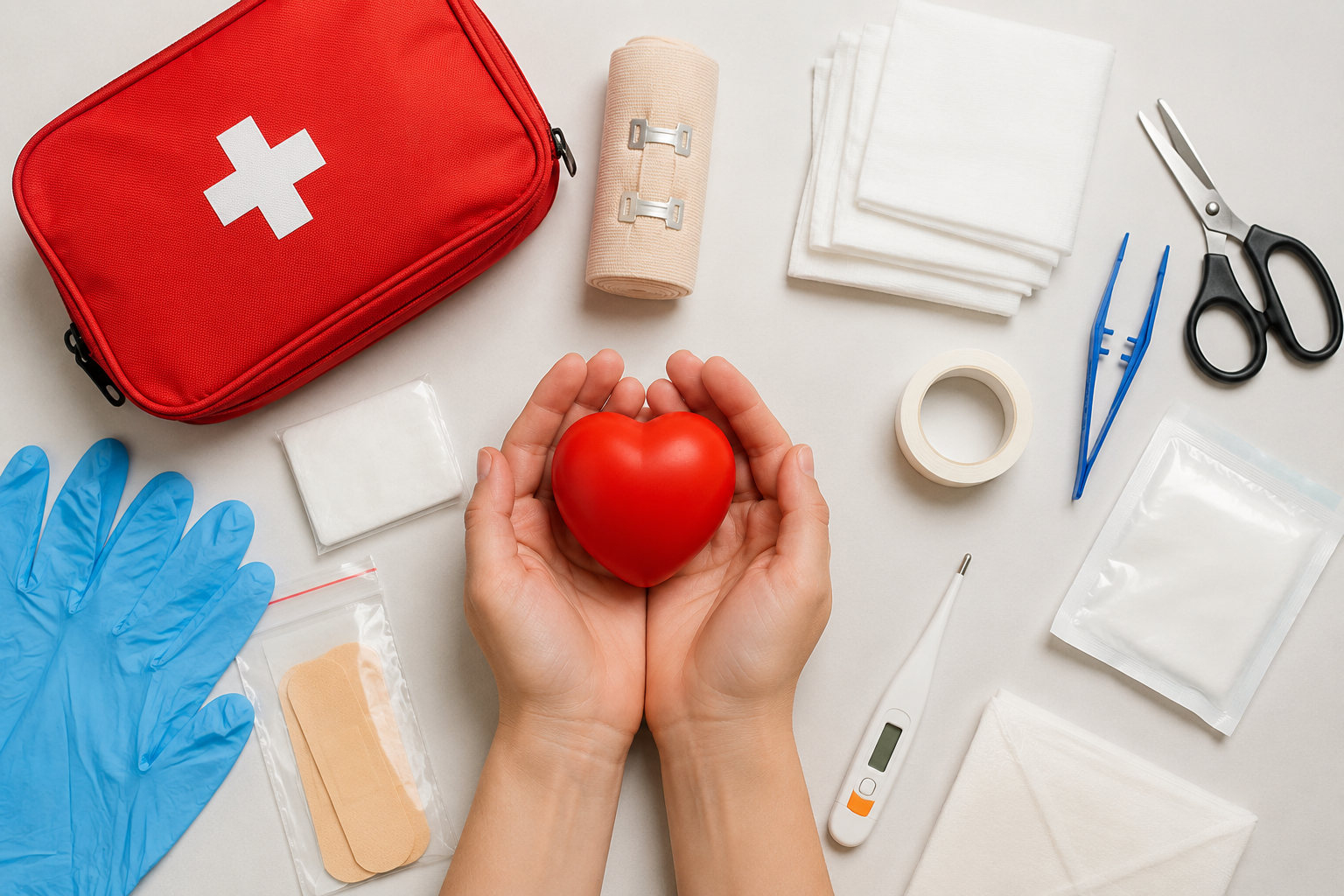
- First aid kits in key areas
- Basic Fire safety signs and alarms.
A safe environment supports a safe culture.
4. Emergency Plans and Drills
Clear plans for any emergency that every school have must include:
- Fire hazards
- Earthquakes
- Lockdowns
- Any medical emergencies
Practising these plans regularly helps everyone know what to do without confusion.
When students and staff rehearse emergency steps, actions become automatic — and that saves time and lives.
How Dubai’s Schools Are Leading the Way
Dubai is known for its world-class education system. Many schools already have strong safety policies and practices. Dubai’s education authorities emphasise student safety, and many schools invest in training, safety equipment, and awareness programs.
But safety culture is not something that happens overnight or with one training session. It must grow and strengthen every year through consistent effort.
The Role of Parents and the Community
Safety culture in schools is a shared responsibility. Parents and the community play an important role, too.
Parents can:
- Talk about safety at home
- Encourage safe behaviour
- Support school safety initiatives
- Ask questions about school safety plans
When parents and schools work together, children learn that safety matters at school and at home.
HSS: Helping Schools Build a Safety Culture
HSS assists schools in Dubai to develop strong safety programs through its following services:
First Aid Training
Our organisation provides straightforward first aid training courses, where students learn essential first aid skills for school situations. The training provides teachers and staff with opportunities to practice skills that develop their ability to handle real-life situations.
Emergency Response Training
The training teaches staff members how to handle emergencies when they occur through appropriate emergency procedures for medical situations, including choking, injuries and sudden medical emergencies.
Safety Workshops
We conduct interactive workshops for students and staff to understand safety basics in easy language.
Custom Safety Programs
Schools have unique requirements, which we help them develop safety programs that suit their particular school atmosphere, student characteristics and school environment.
Our approach is simple: make safety easy to learn, easy to remember, and easy to apply.
Real Benefits of a Safety Culture
A strong safety culture brings many benefits:
1. Fewer Accidents
When risks are identified and addressed, fewer accidents happen.
2. Faster, Better Emergency Response
Because trained staff members respond rapidly, they decrease the harmful effects that arise during emergencies.
3. Less Fear, More Confidence
Students and staff members experience safety because they know what to do in emergencies.
4. Stronger Trust With Parents
Parents feel confident knowing their children are protected.
5. Positive School Reputation
The school develops a prideful identity through its commitment to safe school environments.
Simple Steps Schools Can Take Today
Building a safety culture does not require a huge investment. Schools can start with:
- Scheduling first aid training for staff
- Reviewing emergency plans
- Adding safety lessons to student activities
- Checking school facilities for hazards
Today’s minor actions will result in a secure future.
Conclusion: Safety Starts with Us
Safer school environments create better learning outcomes for students. Students in safe environments can achieve their maximum potential through learning and development. Staff members who receive proper training can handle emergencies. When safety becomes a daily practice, all members of the school community experience positive results.
Dubai’s educational institutions create pathways that lead our children toward their future life goals. HSS establishes a robust safety culture that ensures our future will remain secure and protected.
HSS provides dedicated support to schools that need assistance with their critical safety objectives. Together, we can create a safe culture that students will learn and appreciate through practice.
Because every child deserves a safe place to learn.