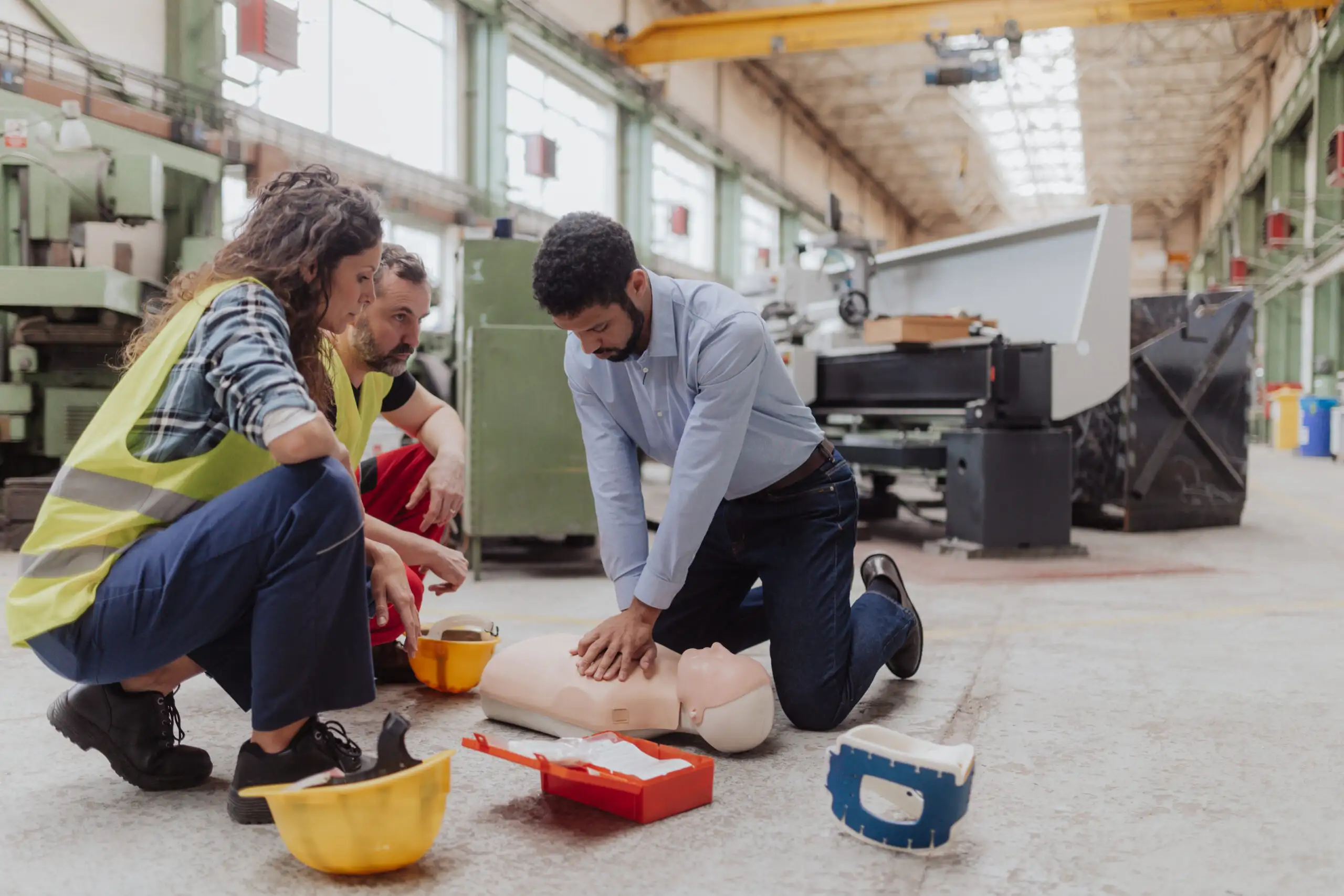
On a normal working day at the office, a co-worker suddenly falls and starts shaking. In this case, most of the people usually rush over to the person. Some people who know about the problem should hold the person, while others suggest putting a spoon in their mouth.
When a seizure attacks a person, surrounding people might panic; it’s common. Some people want to help, and some others try to help, but the problem is they don’t know how to help properly or which actions are safe.
Protecting the person from injury, keeping track of the time and knowing when to call for medical assistance are important first steps.
How Can You Recognise a Seizure?
Not every seizure looks like a seizure; some might make a person stiff, followed by jerking actions of arms and legs; other seizures might consist of a blank stare, strange acts or temporary unconsciousness.
After the seizure, a person might experience tiredness, a headache or inability to recall the period of the seizure.
As an example, a teacher may notice a student somehow paralysed and being unresponsive when calling out the student’s name, which is why first aid training for schools and nurseries is so valuable. Or an employee may fall during a meeting, experiencing a series of involuntary movements, a situation covered in first aid training for the office workplace.
In the above two cases, seizures may look quite differently from one another, which makes it necessary to concentrate on the person’s safety and not on the reasons for the seizure.
Seizures happen to people with epilepsy, but they can also happen for other reasons. A first seizure is a medical emergency.
What Should You Do When Someone Has a Seizure?
Move Nearby Hazards Out of the Way
Begin by assessing the situation. If a person is down next to a desk, clear chairs, bags and any sharp objects. In case the person falls near any equipment generating heat or near a piece of machinery that is in motion, take steps to reduce the danger without putting yourself at risk.
Protect Their Head
If the person is on the ground, carefully place a folded jacket or some other soft, flat item underneath their head. Remove glasses if they are worn and loosen their clothing.
Do not prevent them from moving their arms or legs during the seizure because holding someone during a seizure attack may harm them and will not stop the seizure itself.
Avoid moving the individual unless necessary. If the individual is in an unsafe position, move them only to the extent required for their safety.
Keep Track of the Time
This is a small action that can be very helpful. Check the time when the seizure starts and note when it ends.
When you are watching someone shake or lose awareness, even a short period can feel much longer than it really is. Keeping track gives emergency responders useful information.
Call emergency services if the seizure lasts five minutes or longer. You should also get emergency help if another seizure begins before the person has recovered.
If other people are present, ask one person to make the call while you remain nearby. This avoids confusion about who is responsible for getting help.
First Aid Mistakes That Can Cause Harm
Some of the most common mistakes happen because people are following advice they heard years ago. Knowing what to avoid is just as important as knowing what to do.
| Common reaction | What to do instead |
| Putting a spoon or fingers into the person’s mouth | Keep the mouth clear of objects. Nothing should be placed inside it. |
| Holding the person down | Move nearby hazards and allow the seizure to run its course. |
| Giving water or tablets during the seizure | Wait until the person is fully alert and can swallow safely. |
| Trying to wake them by shaking or shouting | Speak calmly and focus on their safety. |
| Walking away as soon as the movements stop | Stay nearby, check their breathing and monitor their recovery. |
One myth worth correcting is the idea that a person can swallow their tongue during a seizure. This does not happen. Putting an object into their mouth can damage their teeth or block their airway.
Do not try to give food, drink or oral medication while the person is having a seizure or is not fully alert. If they have a prescribed seizure rescue plan, follow it only if you are trained or specifically instructed to do so.
Helping Someone Feel Safe After a Seizure
The post-seizure period can be a bit confusing for the person who has been through it. They may not know where they are at all initially and may not have an idea why everyone else is standing around them.
Be calm and keep your explanation simple. Tell the person what happened and reassure them.
If you saw the seizure, remember what you saw and approximately how long it lasted. The kind of movements you observed, the degree of unconsciousness and the state of the person afterwards can all be of value to the medical professionals.
Do not ask them questions or urge them before they are ready. If you saw the seizure, remember what happened and how long the seizure lasted. Also, remember unusual movements during seizures and whether the person was aware of their surroundings.

How HSS Helps Build First Aid Awareness
An emergency can occur in a school, office, gym or hotel when people are busy with their day-to-day tasks. Even if staff have good intentions, they may still be confused about what to do.
HSS Health and Safety Solutions provides health and safety training to help people and organisations develop practical emergency response skills. You can explore the full range of first aid courses in Dubai, which help participants learn the right responses, understand when to call for professional assistance, and practise their emergency response under supervision.
For UAE businesses, preparing staff in advance can go a long way toward minimising confusion when an incident occurs. Staff who are aware of their roles are in a much better position to respond in a calm and safe manner.
A Calm Response Can Make a Difference
When someone has a seizure, some people try to do something to save a person’s life. But they don’t know it may cause severe problems if they don’t know how to treat a seizure.
You don’t need to stop every movement or try to treat them yourself. What you have to do is record or note the seizure start time, protect the person from hazardous things, monitor their breathing condition and get medical help.
Learning these steps before an emergency happens can help you respond with greater confidence when someone nearby needs your help.