Nurses are often among the very first people who respond when something goes wrong. A patient might suddenly have trouble breathing, lose consciousness or get injured, and you can see signs of a serious medical problem. In these moments, a nurse really can’t waste a single second; they immediately think about what to do next, because every minute matters.
Nurses already have solid medical understanding, though emergency response is one of those abilities that you keep sharpening. It needs steady, regular practice. Even if a nurse is experienced, they still can gain a lot from revisiting their knowledge, repeating key procedures and learning how to stay calm when several things are unfolding together.
For nurses working in hospitals, clinics, care homes, schools, or other healthcare settings across the UAE, being ready in advance can make everyday routines safer for both patients and staff members.
Know What to Do Before an Emergency Happens
The best time to think about an emergency is before one happens.
Nurses should be familiar with the emergency procedures followed in their workplace. This includes knowing where emergency equipment is kept, how to contact the emergency team, where important medicines or supplies are stored, and who is responsible for different tasks.
It sounds simple, but these details can be easy to forget when a person is suddenly in serious trouble.
Taking a few minutes to review the emergency plan from time to time can make a nurse feel much more prepared when a real situation occurs.
Keep CPR Skills Fresh
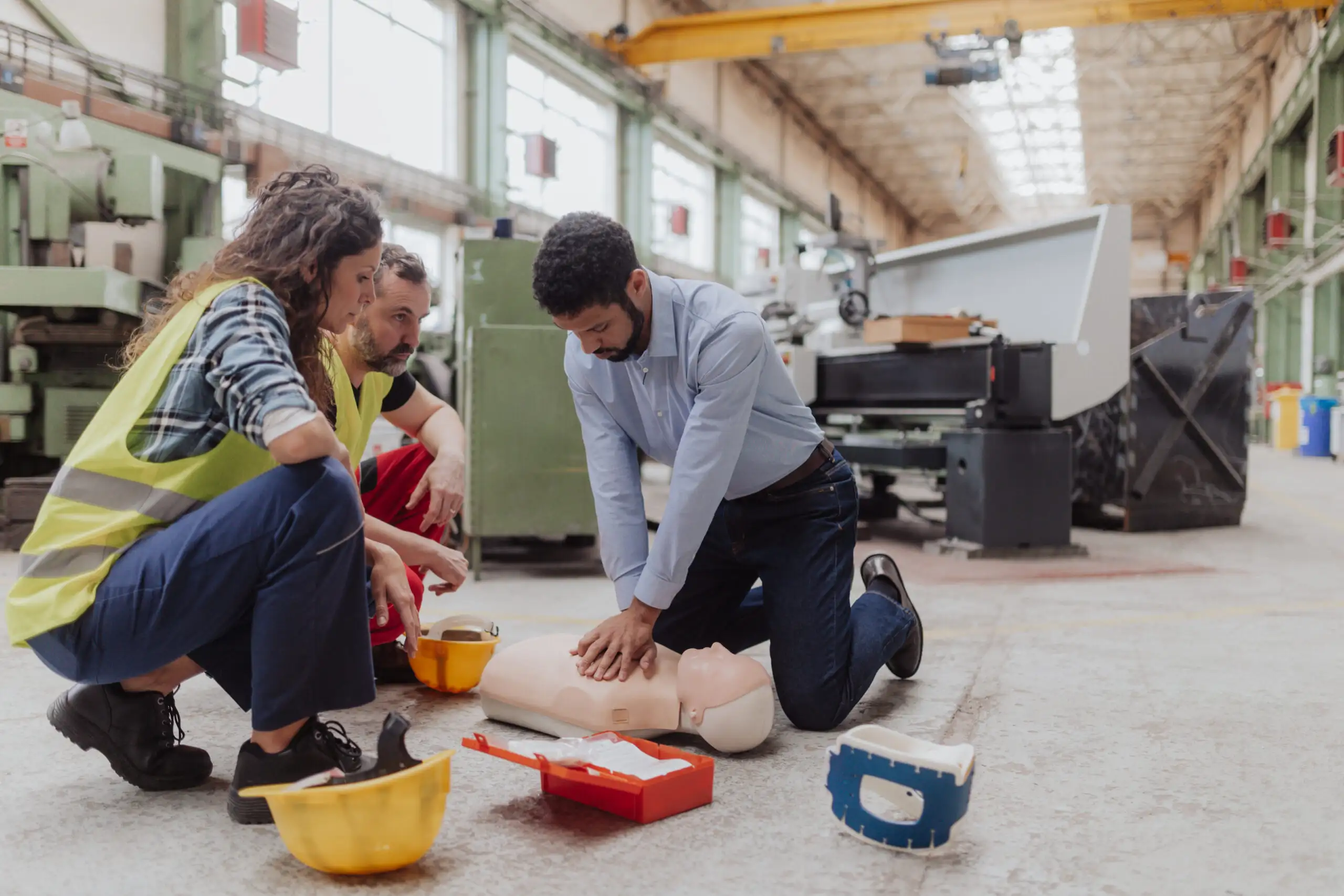
CPR is one of the most important emergency skills for nurses. However, like any practical skill, it can become less familiar when it is not used regularly.
Regular CPR practice helps nurses remember the correct sequence and feel more comfortable working under pressure. Training should also include the use of an Automated External Defibrillator (AED), where appropriate.
A refresher session can be useful even for nurses who have been working in healthcare for many years. It gives them a chance to practise, correct small mistakes, and keep their response skills up to date.
Improve Your Ability to Spot Warning Signs
A serious emergency does not always begin with a patient suddenly collapsing. Sometimes there are warning signs first.
A patient may become suddenly upset, experience discomfort, sweating, difficulty breathing, chest pain and loss of consciousness.
Nurses spend a lot of time observing patients, which puts them in a good position to notice these changes. Developing strong observation skills can help them raise concerns early and seek additional medical support before the condition becomes worse.
Sometimes noticing that something is “not quite right” is the first step in preventing a bigger emergency.
Practice Staying Calm Under Pressure
Knowing the right procedure is important, but being able to follow it when things become stressful is another matter.
Emergency situations can involve several people talking at once, worried relatives asking questions, alarms going off, and other staff members moving quickly around the patient. It can be difficult to think clearly in that kind of environment.
Regular emergency drills can help nurses become more comfortable with this pressure. Practising different scenarios gives the team a chance to see what works and what needs to be improved.
The aim is not to make every emergency feel easy. It is to make the response more familiar.
Communication Can Change the Outcome
Good communication is easy to overlook during an emergency.
A nurse may need to tell another staff member to bring equipment, explain a patient’s condition to a doctor, speak with a worried family member, or provide information to emergency responders.
Short, clear communication is usually better than giving too much information at once. Nurses should know how to pass on the important details quickly and accurately.
Team members also need to understand each other’s roles. When everyone knows what they are responsible for, there is less confusion during a difficult situation.
Learn From Every Emergency
After an emergency, it is worth taking some time to look back at what happened.
What went well? Was the equipment easy to find? Did everyone know their role? Was there any delay in getting help? Were there communication problems?
These questions are not about blaming someone. They help healthcare teams learn from real experiences.
Even a small change, such as moving emergency equipment to a more accessible location or updating a contact list, can make the next response smoother.Healthcare facilities that want a structured review of these gaps may also benefit from a health and safety consultancy to help identify and close them.
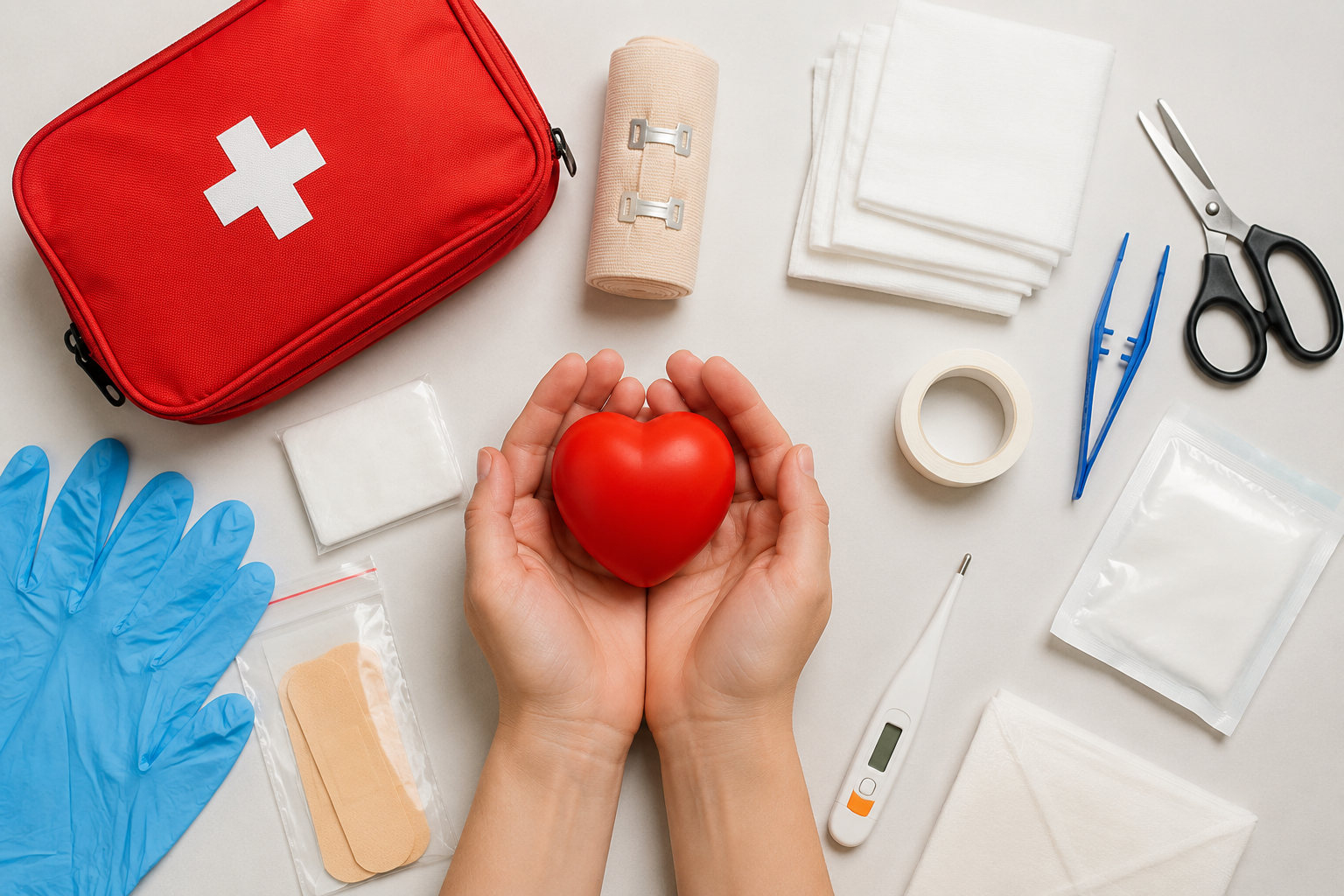
Don’t Ignore First Aid Skills
Nurses have advanced medical training, but basic first aid skills still have a place in everyday healthcare work.
A nurse may encounter a minor burn, cut, fall, bleeding injury, or other situation that requires immediate attention. Being comfortable with basic first aid allows the nurse to respond appropriately while deciding whether further medical care is needed.
First aid knowledge is also useful outside the hospital. Nurses may find themselves helping someone at a school, gym, public place, or even at home.

Work on Team Response, Not Just Individual Skills
Emergency care is rarely a one-person job.
A nurse may be very confident individually, but an emergency response can still become difficult if the whole team is not prepared. Nurses should take part in team drills and practise working alongside doctors, paramedics, support staff, and other healthcare professionals.
Working together regularly helps people understand how their roles fit together.
It also makes it easier to identify gaps in the current emergency plan.
Make Refresher Training a Habit
Completing a course once does not mean emergency skills will stay perfect forever.
Guidelines may change. Workplace procedures may be updated. New equipment may be introduced. Nurses may also move between departments or take on different responsibilities.
Regular refresher training helps keep knowledge current. It also gives nurses a chance to ask questions about situations they may have experienced at work.
Training does not have to feel like a formal exam every time. Practical sessions, short drills, and team discussions can all be useful.
How HSS Supports Healthcare Training
At HSS, we understand that healthcare professionals need training that connects with situations they may actually face at work.
Our training programs focus on practical emergency response, first aid, CPR, and other essential safety skills. We aim to make sessions clear and useful rather than filling them with unnecessary technical language.
For nurses and healthcare teams in the UAE, regular training can help build confidence and improve the way emergencies are handled.
Conclusion
Nurses already carry a lot of responsibility, and when emergencies show up, the pressure can go up too. Having the proper skills and knowing how to apply them can make these moments feel a bit easier to handle, even if things move fast.
Regular CPR practice, emergency drills, clear communication, smart observation, and refresher training all belong in the mix for better emergency response.
At HSS, we believe training should be practical, understandable, and relevant to real working situations. When nurses have the opportunity to practise their skills regularly, they are better prepared to respond when a patient’s condition suddenly changes.
Sometimes an emergency gives you very little time to think. Good preparation helps make sure you are ready when that time comes.