Students spend a big part of their day at school, tuition centres, sports activities, and outdoor programs. With so much activity happening around them, small accidents are quite common. Someone may trip during sports practice, feel dizzy because of the heat, or get injured during a school event.
Most of the time, teachers are the first people to respond. But students themselves can also help in those first few moments if they know some basic first aid. That is one reason many schools in the UAE are starting to give more importance to first aid awareness and emergency response training.
At HSS, we often meet students who are interested in learning these skills but feel nervous in the beginning. Once the training starts, they realize first aid is not as difficult as they imagined. The key is choosing a course that is simple, practical, and suitable for students.
Why Students Should Learn First Aid
First aid is not only for doctors, nurses, or workplace staff. It is something everyone can learn, including students.
Think about normal school life for a moment. Students run, play sports, travel in buses, take part in events, and spend time with friends every day. During all this, unexpected situations can happen.
A student trained in first aid may know how to help if:
- A friend faints during assembly
- Someone gets a small cut in the lab
- A classmate starts choking while eating
- A sports injury happens during practice
Even staying calm and calling for help properly can make a huge difference during emergencies.
The Course Should Feel Easy to Follow
One mistake many people make is choosing a course that feels too advanced for students. If the training sounds too technical, students lose interest quickly.
A good first aid course should explain things in a normal and simple way. Students should feel comfortable asking questions without feeling embarrassed.
In our experience, students learn better when trainers speak naturally and use examples from everyday life. Complicated medical words are not always necessary.
Practical Sessions Matter More
Many students forget information if they only listen to long explanations. That is why practical learning is important.
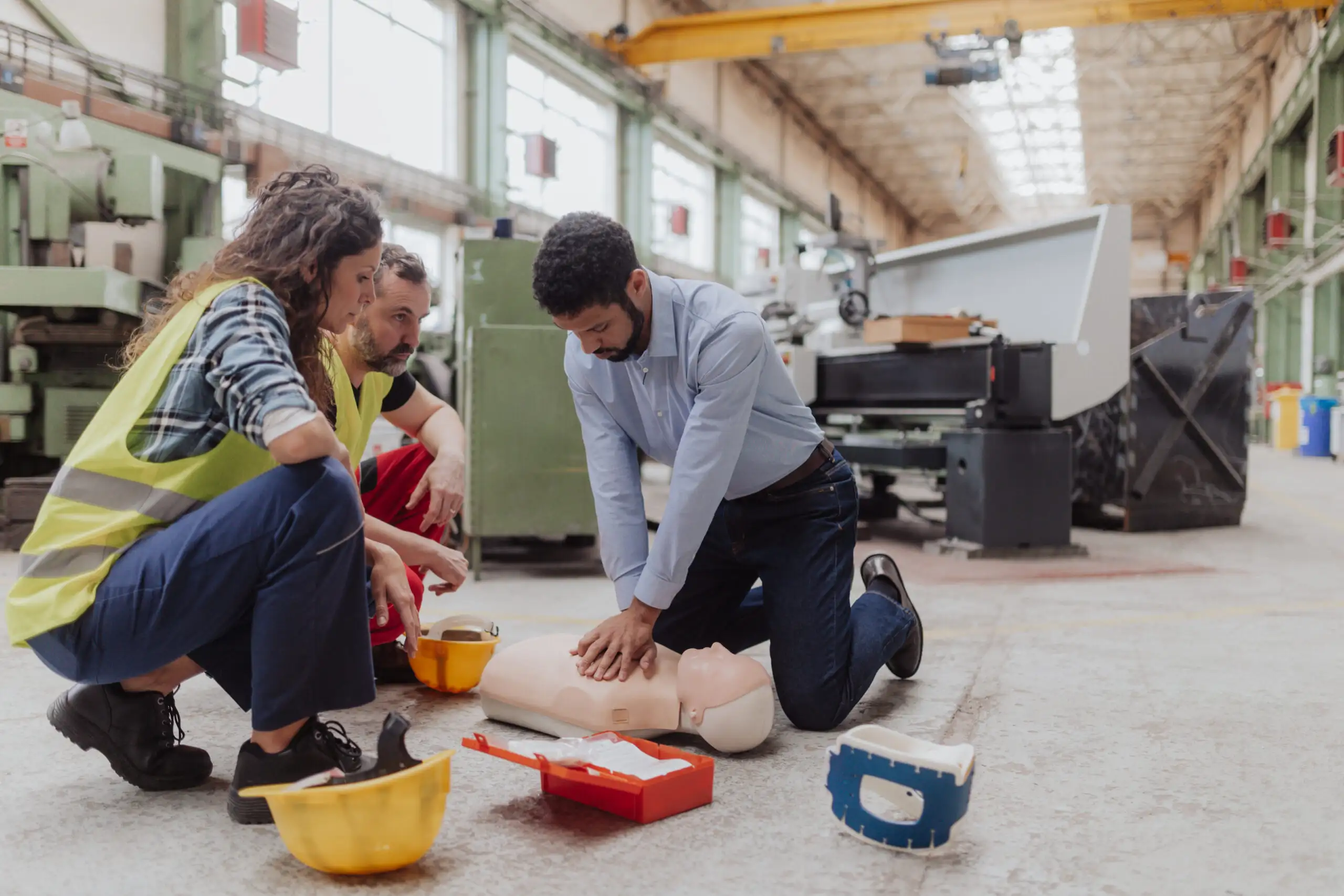
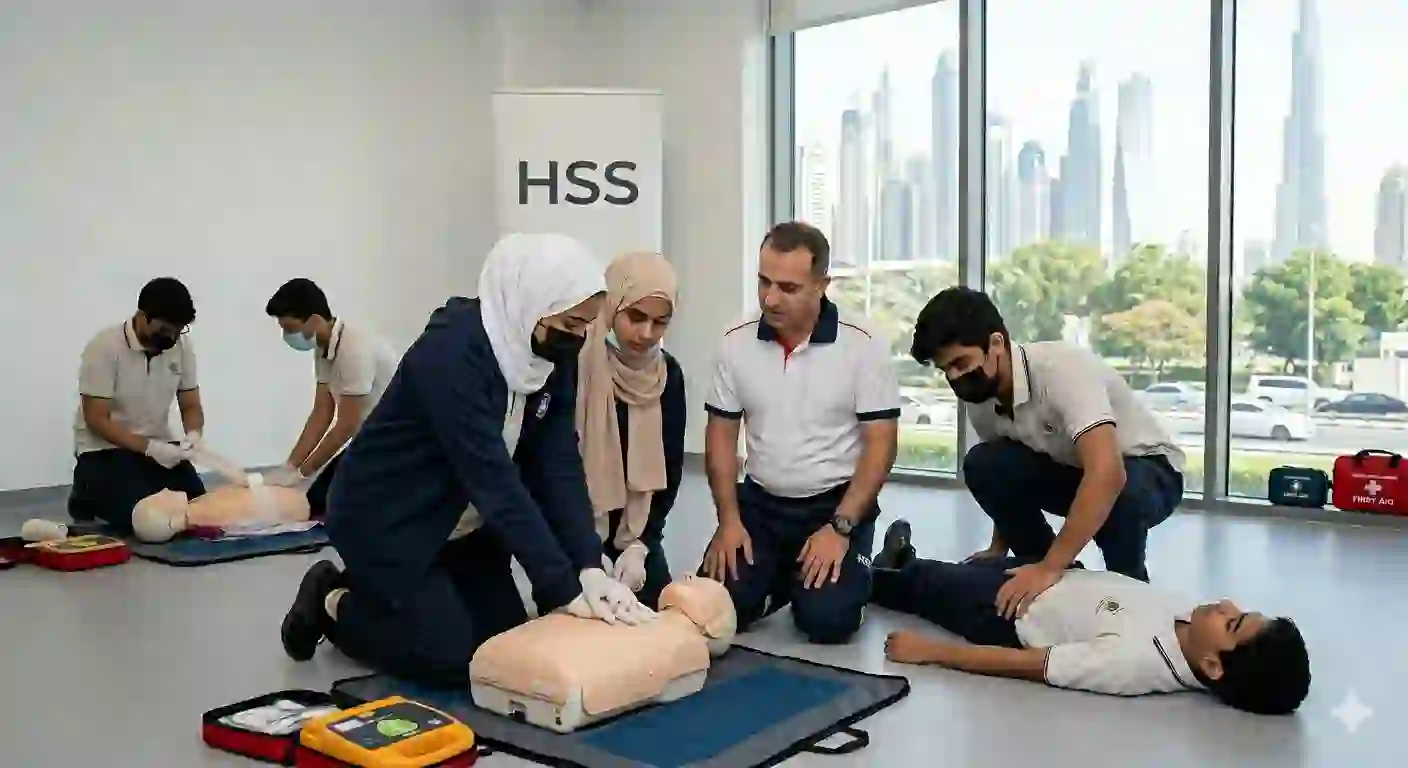
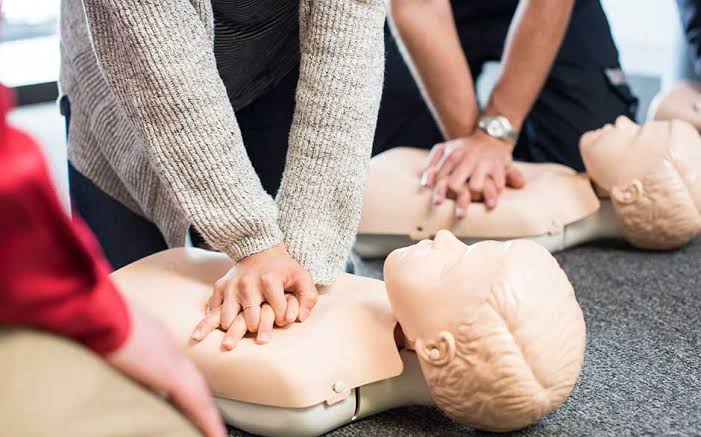
Students usually enjoy training more when they can actually practice what they are learning. Simple activities like learning how to help someone who is choking or understanding how CPR works make the session more interesting and memorable.
Hands-on learning also builds confidence. When students physically practice something once or twice, they feel less scared about emergencies.
Trainers Should Understand Students
Not every trainer knows how to teach young learners properly. Some sessions become too serious or too lecture-based, which makes students disconnect from the topic.
A good trainer keeps the environment relaxed and interactive. Students pay more attention when the trainer shares real situations, speaks clearly, and encourages participation.
Sometimes, even small conversations during training help students remember lessons better than slides or notes.
Confidence Is a Big Part of First Aid
One thing we notice often is that students panic easily during emergencies because they are unsure what to do. Even seeing someone faint can create confusion.
First aid training for schools helps reduce that fear little by little. Students begin to understand that they do not need to know everything perfectly. What matters most is staying calm, getting help quickly, and taking basic safe actions.
That confidence can help not only in school but also at home and in public places.
Students Can Use These Skills at Home Too
The good thing about first aid training is that students carry the knowledge with them everywhere.
For example, they may help:
- A younger brother who falls down
- A grandparent who suddenly feels weak
- A family member with a small kitchen burn
In many UAE families where grandparents and children live together, this kind of awareness becomes very useful.
Sometimes, students even remind parents about safety after attending training sessions. Small lessons can create positive habits at home too.
CPR Awareness Is Becoming More Important
Today, more organisations and schools are discussing CPR awareness. Young students who learn basic skills will develop expertise in their field.
People need to learn essential emergency skills, including understanding emergency procedures, contacting emergency services and responding to emergencies until help arrives.
Research throughout the world demonstrates that medical assistance provided during emergencies increases survival rates. This trend has led to the establishment of emergency response training programs, which schools now use as part of their regular educational content.
Interactive Learning Keeps Students Interested
Active learning environments, rather than formal learning settings, tend to attract students more effectively. The training program becomes more interesting through its use of group activities, demonstrations and real-life case studies.
The process of learning through lengthy theory sessions causes younger students to experience fatigue. Students demonstrate higher attention levels when they experience learning that relates to their real-life situations.
The goal is not to make students feel stressed. The goal is to help them feel prepared.
Schools in the UAE Are Focusing More on Safety
In recent years, many schools in the UAE have started paying closer attention to student well-being and safety education. Parents also appreciate schools that encourage practical life skills along with academics.
First aid awareness is slowly becoming part of this conversation. It helps students become more responsible and aware of the people around them.
These are not just school skills. They are life skills.
How HSS Supports Student Training
HSS provides first aid training programs that we specifically designed for students in the UAE. The sessions maintain their simplicity while we make them interactive and understandable for all participants.
Our teaching methods include technical skills development that helps students gain confidence and comfort during their educational experience. The training program uses real-world examples and practical instruction to help students achieve natural learning.
We believe students learn best when the environment feels friendly and supportive.
Conclusion
Choosing the best and right first aid course for students is essential, because the training will stay with them for their lives. An effective and good course should be simple, suitable and practical.
When a student learns first aid, they become stronger, more responsible, confident and more aware of the situation.
At HSS, we believe first aid training gives students something more valuable than a certificate.