In modern society, where everything’s happening is so fast, babysitters have become a crucial factor in the lives of working parents and busy families. They are reliable for taking care of children, whether it is after school for a few hours, during nighttime, or even full-time. Parents put their complete trust in babysitters, and as the perfect solution to their biggest concern – their kids. Yet, a lot of parents focus on factors like availability, the caregiver’s past, or fee, but they don’t consider the most important aspect – professional babysitter training.
According to HSS, professional babysitter training is a necessity for the child’s safety, emotional well-being, and parents’ peace of mind. The blog is to explain the importance of training for babysitters, and what parents should look for
The Importance of Babysitter Training
When it comes to kids, they are always going to be the same—full of curiosity, energy, and unpredictability. Even with the best home safety measures, accidents and emergencies can still take place. A babysitter with training will be able to handle the scenario in a composed, right, and assured manner, whereas a caregiver without training might panic or do something that could lead to a mistake that will cost a lot.
Training for babysitters is an advanced level of handling the situation beyond basic child care. It gets the helper to handle realistic issues like choking, falling, allergy, sudden illness, emotional despair, or fire emergency. In case of a critical incident, the training will help handle the incident without panicking or hesitating.
Increased Child Safety and Risk Management
The priority of babysitter training is to reduce the incidence of injuries. The babysitters who have undergone training know how to handle dangerous spots and areas in the house, and ensure that children of every age are properly supervised at the same time, and that safe practices are being followed. These safety rules and practices include:
- The right sleeping positions for babies
- Ways of lifting and carrying the child safely
- Awareness of safety measures like childproofing
- Watching closely during meals, bath time, and playtime
Trained babysitters are not only less reactive but also proactive, which, within limits, will help avoid accidents to a great extent.
First Aid and Emergency Response Skills
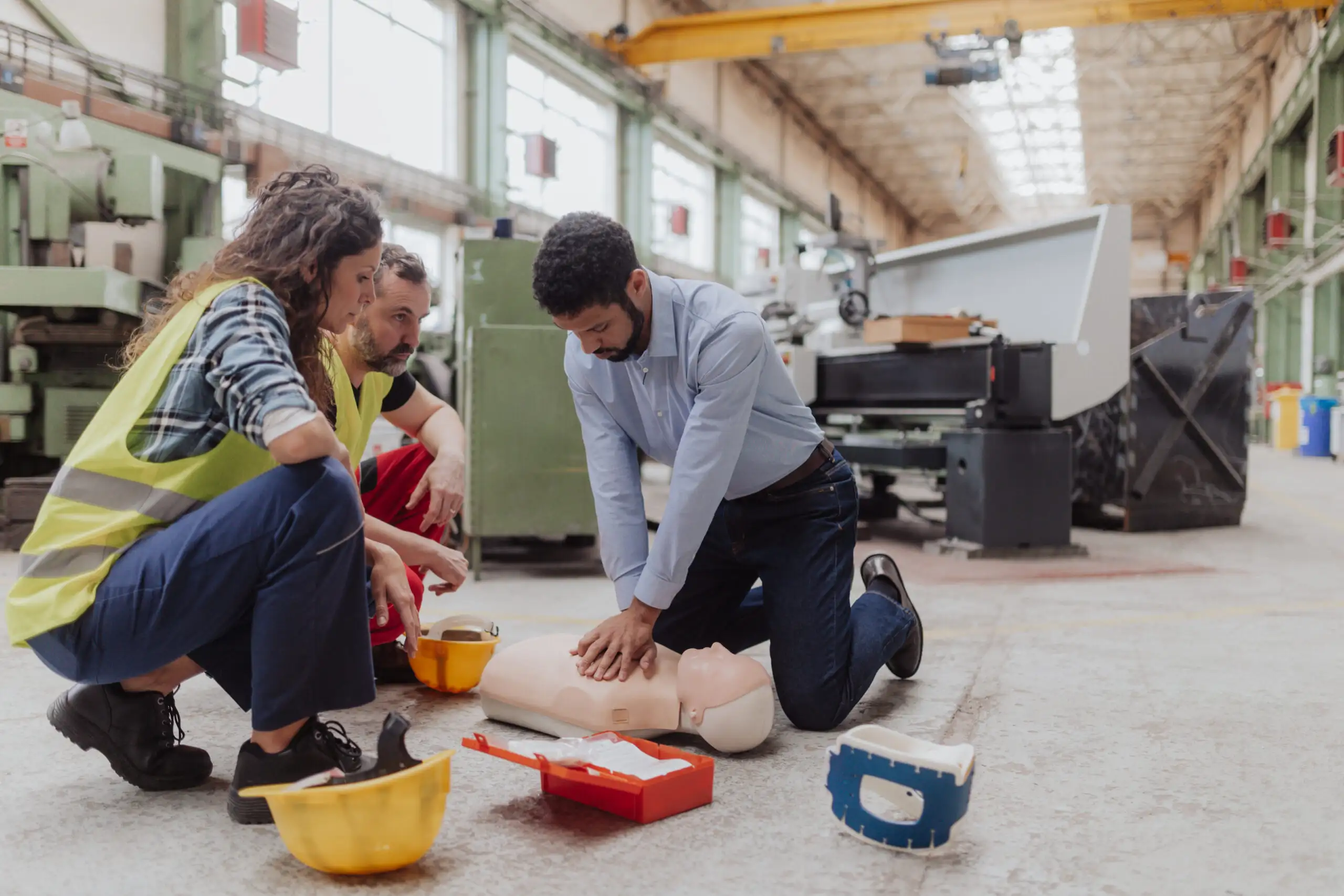
Emergencies can not be predicted, and kids sometimes will not be able to explain their condition. Most babysitter-training programs—including those that meet HSS standards—have basic life support (BLS), CPR and first aid as part of the syllabus.
A babysitter who has been trained is aware of how to:
- Fast response to choking problems and breathing difficulties
- To manage cuts, burns, and fractures
- Identifying signs of serious conditions, like an asthma attack or an allergic reaction
- Call emergency services immediately and give clear information
These very abilities are vital, especially in the UAE and other places where safety compliance and emergency preparedness are highly regarded.
Better Emotional and Behavioural Management
The needs of kids are not always physical; sometimes they need emotional support, too. Training of babysitters includes child development, behaviour at different ages, and the use of effective communication techniques.
A babysitter who is trained knows how to:
- Make a fuss of the tantrum and thereby handle it calmly and positively
- Be a support to kids who are going through anxiety or fear
- Promote healthy routines and discipline without punishment
- Create trust and emotional security
All these lead to a nurturing atmosphere where kids feel secure, understood, and appreciated.
Professionalism and Accountability
Training develops awareness, commitment, and professionalism in babysitters. Licensed caregivers are more likely to get involved with structured routines, obey household regulations, and communicate with parents effectively.
Trained babysitters get it all from punctuality to confidentiality; they are the ones who recognise the necessity of ethics in the process.
What Parents Should Look For in a Trained Babysitter
The experience is, of course, one of the factors to consider, but it is not the only one when deciding on a babysitter. Below are the main factors to keep in mind:
1. Recognised Training and Certification
Inquire whether the babysitter has undergone formal training in Childcare, First Aid, CPR, or Babysitting Safety. Such certifications from well-known organisations like HSS give proof of credibility and preparedness.
2. Emergency Readiness
A trained babysitter should be able to calmly and clearly understand the scenarios of handling emergencies.
3. Knowledge of Child Development
Babysitters should have an understanding of the different ages and their specifications, which can be changed with the child’s needs, behaviours, and safety requirements.
4. Communication Skills
Children and parents alike need good babysitters with pleasant communication skills. The training helps in developing the listening skills, reporting habits, and the ability to follow instructions very accurately.
5. References and Continuous Learning
It is essential to verify references and inquire whether the babysitter is still undergoing training. Continual education is a sign of quality childcare.
Professional Training Provider’s Role Like HSS
HSS offers high-quality, safety-conscious training programs designed to prepare caregivers for everyday situations. The babysitter and child care training programs offer the development of practical skills, the readiness for emergencies, and the building of self-confidence as the main features.
Final Thoughts
In the present day, babysitter training is a necessity, not an extravagance. The children are entitled to have caretakers who are competent, self-assured, and always ready to safeguard their health and safety. A trained babysitter for parents means less anxiety, more trust, and a more secure setting for the little ones.
Give your priority to the trained caregivers. Go for safety. Go for quality service. Go for HSS.