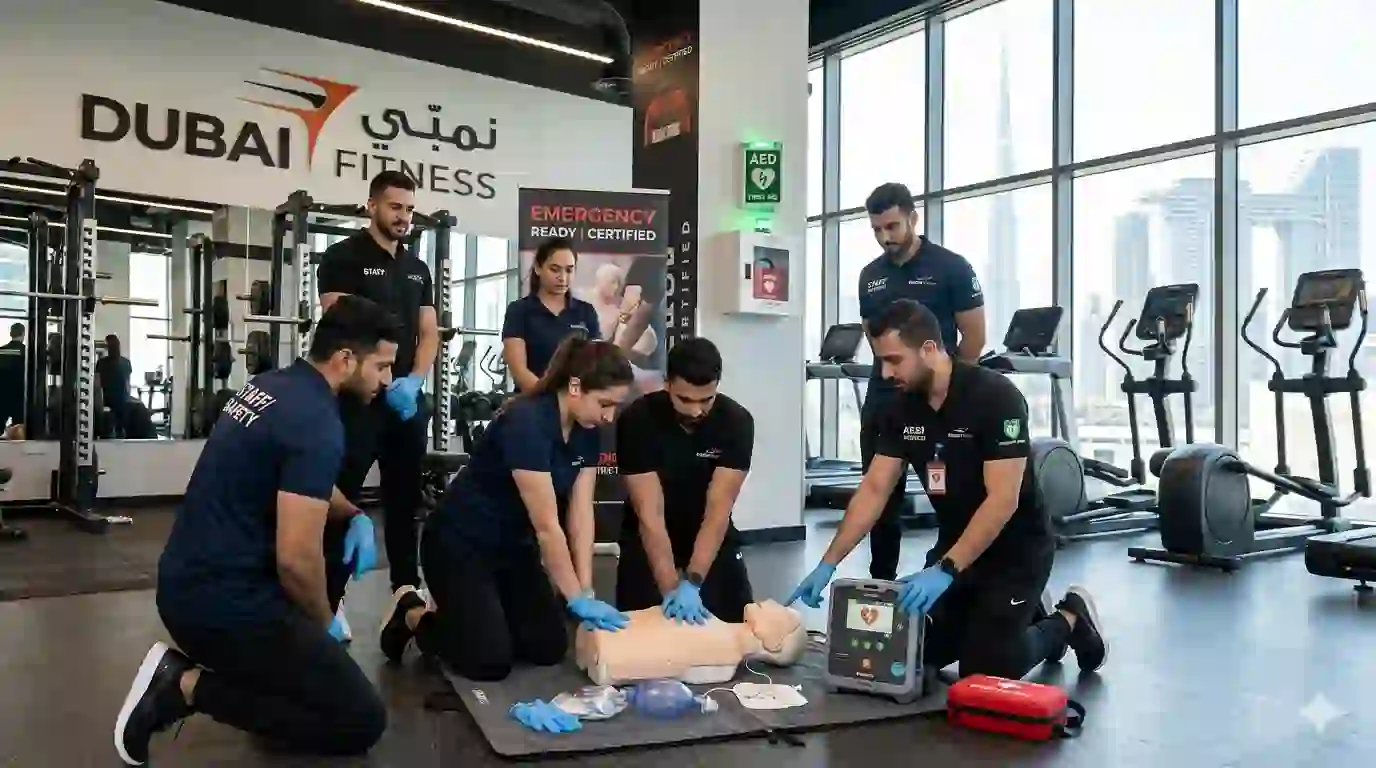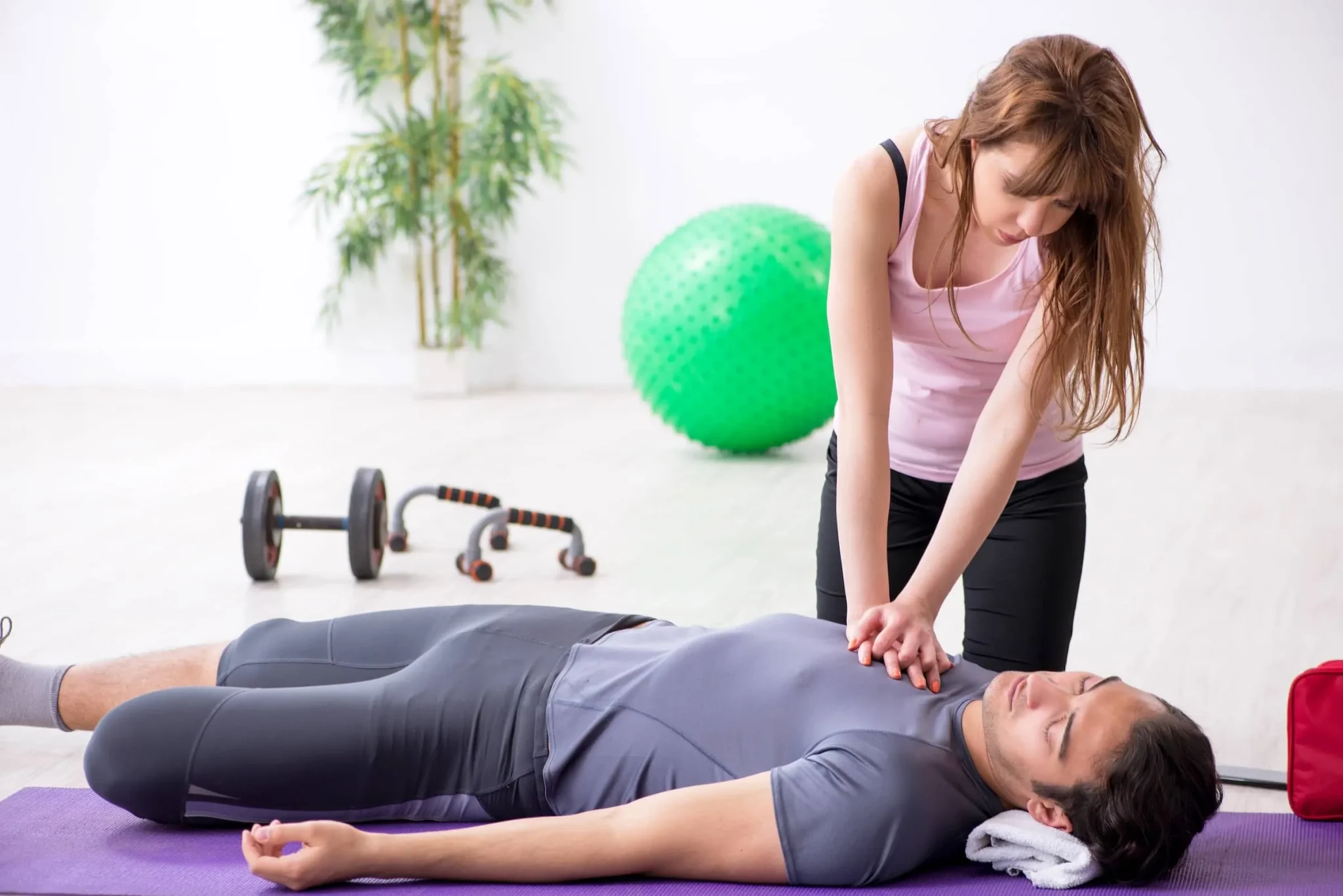
Fitness trainers play an important role in helping people stay healthy and active. They conduct daily workout sessions with clients, pushing them to achieve fitness success and providing assistance throughout their journey. Training programs and exercise techniques represent one aspect of their job, but emergency preparedness constitutes another critical duty that requires equal attention.
Gyms and fitness centres function as energetic spaces. People lift heavy weights and use machines while they perform intense cardio exercises to reach their maximum physical capabilities. Exercise carries a low risk of danger, but medical emergencies and injuries can occur at any time during physical activity. This is why proper risk assessment is important in fitness centres.
The HSS organisation provides trainers with emergency response skills because we consider these abilities vital to their profession. Readiness to deal with emergencies helps to safeguard human lives.
Why Emergency Skills Matter in Fitness Centres
A person’s heart rate increases when their body works at higher intensities. The majority of people derive health benefits from this practice. The practice of intensive exercise can lead to medical emergencies for some people with unidentified health issues.
- Cardiac arrest
- Fainting
- Severe dehydration
- Asthma attacks
- Muscle tears or fractures
- Heat exhaustion
In these situations, trainers are usually the first to respond. There may not be a doctor nearby. The first few minutes are critical. A quick and correct response can prevent serious complications or even death.
1. CPR (Cardiopulmonary Resuscitation)
The fitness trainer who wants to succeed in their profession needs to learn CPR as an essential skill.
Cardiac arrest can occur without giving any signs in individuals who seem to be in good health. The heart stops working properly, causing blood and oxygen to stop reaching the brain and other organs.
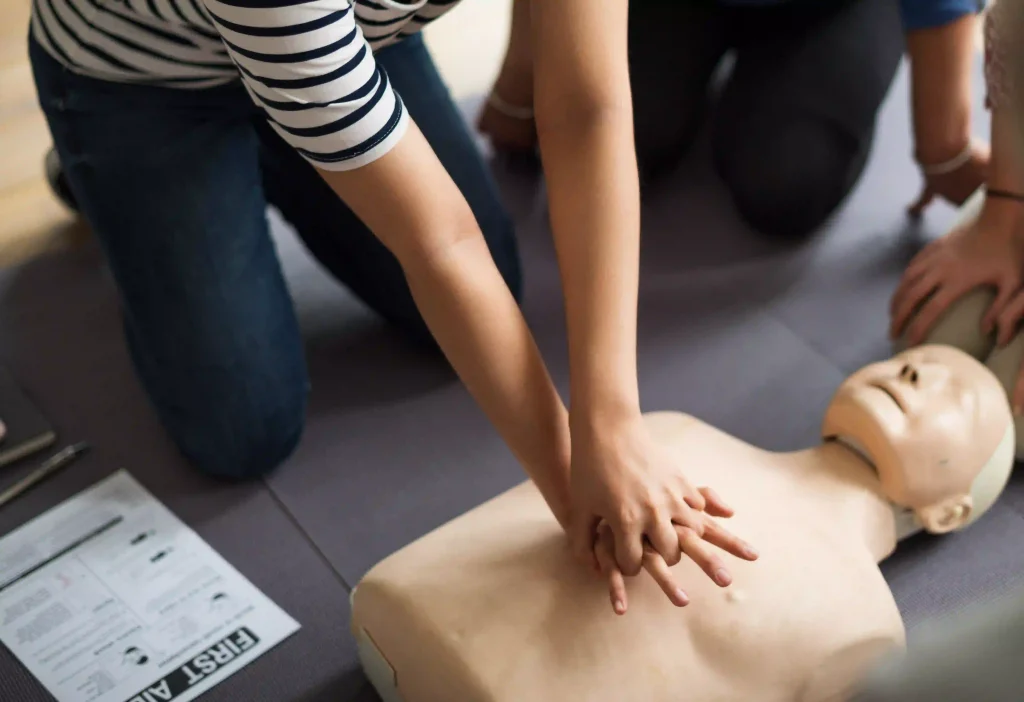
CPR helps by:
- Keeping blood circulating
- Supplying oxygen to vital organs
- Increasing the chances of survival until medical help arrives
The ability to perform chest compressions and rescue breaths at a high standard is essential for trainers who need to work with emergencies. Trainers need to learn how to identify cardiac arrest symptoms that require immediate medical attention.
The training program for CPR must receive regular updates to sustain proper operation skills and precise execution methods.
2. AED (Automated External Defibrillator) Use
Most modern gyms are equipped with an AED. The device can assess heart rhythm patterns and deliver a shock when needed to restore normal heart function.
The presence of an AED in a facility does not fulfil all requirements. Trainers must know:
- Where it is located
- How to turn it on
- How to attach the pads correctly
- How to follow the device instructions calmly
Although AEDs are user-friendly, they require training to help users operate them without feeling scared.
Heart shock treatment needs to occur within the first minute after a cardiac emergency starts, because every moment without an AED decreases the chance of surviving the situation.
3. Recognising Warning Signs Before an Emergency
Prevention is always the better approach compared to reactive methods. Skilled trainers need to learn to detect warning signs that indicate a serious situation.
The following warning signs become visible during workout sessions:
- Chest pain,
- Severe shortness of breath,
- Dizziness or confusion,
- Extreme fatigue,
- Pale or sweaty skin.
The trainer needs to stop the client’s activities after the client shows these symptoms so the trainer can assess the situation.
The ability to recognise these initial signs allows people to stop medical emergencies from progressing into severe conditions.
4. Handling Common Gym Injuries
In fitness centres, injuries happen frequently. Trainers need to know how to handle:
- Sprains and strains
- Muscle cramps
- Dislocations
- Minor cuts and bleeding
- Back injuries
The basic first aid knowledge enables trainers to:
- Reduce pain and swelling
- Prevent further damage
- Decide when medical attention is required
The correct application of ice, proper limb support, and effective bleeding control techniques are essential skills for successful first aid implementation.
5. Managing Choking Incidents
Choking incidents occur less frequently throughout gyms, yet they remain possible because some gym facilities feature juice bars and snack areas.
Trainers should know how to:
- Recognise signs of choking
- Perform abdominal thrusts
- Call emergency services quickly
- Emergencies require complete safety arrangements because they might occur at any moment.
6. Responding to Heat-Related Illness
Most fitness sessions require participants to perform their exercises under high-temperature conditions. The combination of high temperatures and extreme weather conditions creates dangerous situations, which result in heat exhaustion and heat stroke.
The symptoms of heat-related illness show themselves through:
- Heavy sweating
- Weakness
- Nausea
- Headache
- Confusion
- High body temperature
Trainers must stop activities when they detect symptoms, move the person to a cooler area, provide fluids to patients and make them stay awake, and contact medical experts to evaluate the situation.
The required actions should be taken without delay, as they are essential to avoid serious health consequences.
7. Emergency Communication Skills
Panic can spread fast in an emergency. A trainer needs to maintain calm and take charge of the circumstance.
Effective communication skills require the ability to:
- Give clear instructions to others
- Assign someone to call emergency services
- Guide bystanders away from the area
- People who remain calm create an environment that allows others to maintain their calm.
8. Understanding Client Medical History
Trainers need to collect essential health details from their clients before starting any training programs. Trainers need to understand these medical conditions because they need to:
- Heart conditions
- Asthma
- Diabetes
- Allergies
- Previous injuries
With this information, trainers can create workout plans while identifying potential risks.
Trainers who lack medical expertise still need to maintain some medical knowledge because it helps reduce risk.
9. Regular Emergency Drills and Training Updates
Emergency response skills need continuous practice because they should not be learned as one-time skills. Trainers maintain their confidence through regular refresher training, which also keeps them informed about current developments.
Fitness centres should also:
- Check first aid kits regularly
- Ensure AED batteries are working
- Conduct practice drills
- Review emergency procedures
- Preparedness needs to continue at all times.
The Professional Advantage
Clients trust fitness trainers not only to improve their health but also to keep them safe. A trainer who is certified in first aid and emergency response demonstrates professionalism and responsibility.
Trust is established through this process. The gym receives enhanced credibility while this system saves lives.
HSS: Training Fitness Professionals for Real Emergencies
At HSS, we provide professional first-aid, CPR, and emergency-response training for fitness trainers and gym staff. Our programs focus on practical learning and real-life scenarios.
We ensure trainers:
- Gain hands-on experience
- Build confidence under pressure
- Understand how to respond quickly and correctly
- Meet safety and compliance standards
We believe that emergency readiness should be a standard skill for every fitness professional.
Conclusion
Fitness training improves health, but safety needs to come first. Unforeseen emergencies can occur at any time inside properly maintained gyms.
Emergency response skills, including CPR, AED use, injury management and heat illness response, need to be practised. These skills represent essential requirements.
Every fitness trainer should ask themselves:
If an emergency happens today, am I ready? The answer becomes positive through adequate training and preparation.
At HSS, we help fitness professionals create safer workout environments because we believe that protecting lives is as important as building strength.